
Will a Foldable Phone Fit VR Headsets? What to Know

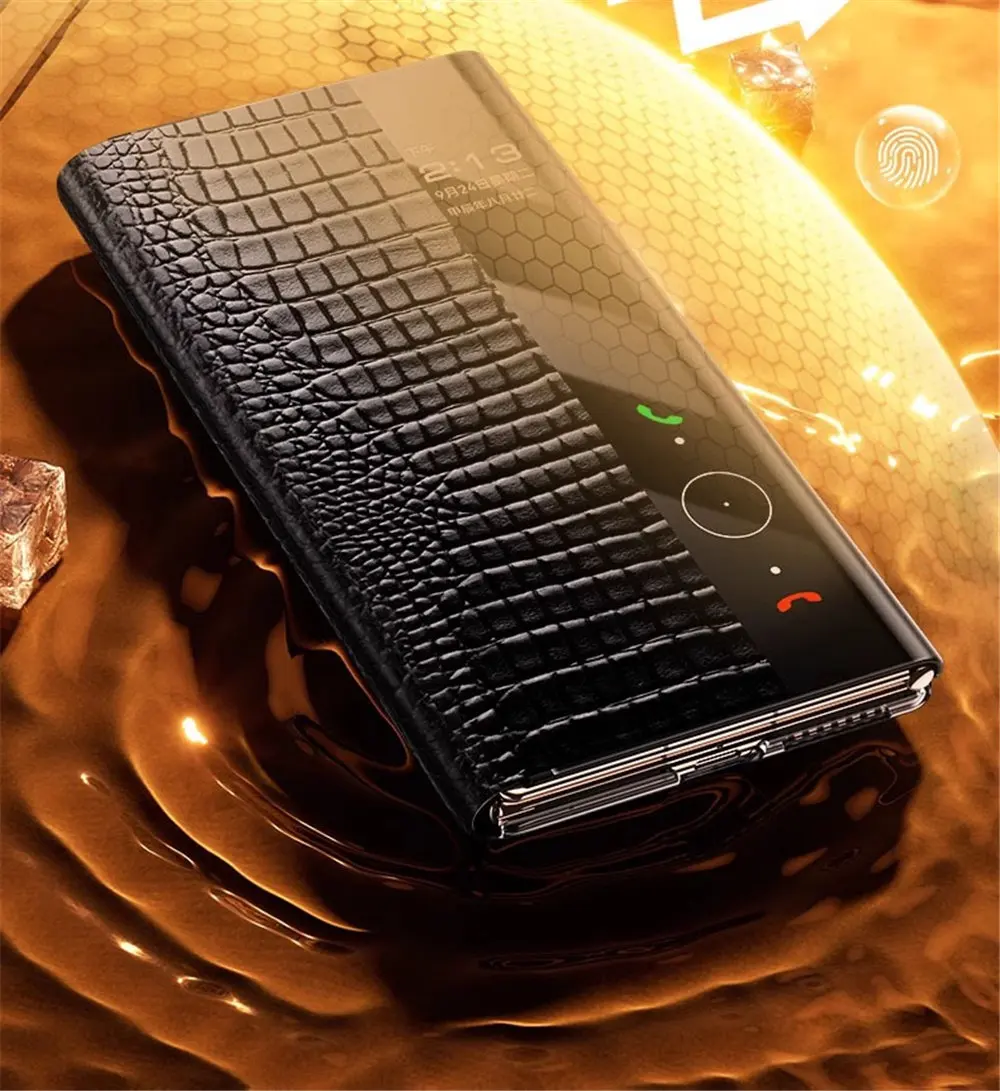
Compatibility of Foldable Phones with VR Headsets: Essential Insights
understanding Foldable Phones and Their Design
Foldable smartphones have revolutionized the mobile technology landscape, offering users a unique blend of portability and expansive screen real estate. These devices utilize innovative hinge mechanisms that allow them to transition between compact and larger displays. Though,this novel design raises questions about their compatibility with virtual reality (VR) headsets.
The Importance of screen Size in VR Experiences
When it comes to VR headsets, the size and resolution of the smartphone display play a crucial role in delivering an immersive experience. Most VR headsets are designed to accommodate standard-sized screens, typically ranging from 5.5 inches to 6.7 inches diagonally. As foldable phones frequently enough feature larger screens when unfolded—sometimes exceeding 7 inches—this can create challenges for fitting them into existing headset designs.
Current Trends in Smartphone Dimensions
As per recent statistics from industry analysts, foldable phone sales have surged by over 50% year-on-year as consumers seek more versatile devices. this trend indicates a growing market presence for these gadgets; though, manufacturers must consider how these dimensions affect compatibility with various accessories like VR headsets.
Assessing Compatibility: Key Considerations
Hinge Mechanism impact on Fit
One notable factor affecting whether a foldable phone will fit into a VR headset is its hinge mechanism. Many conventional headsets are not designed to accommodate the bulkiness or unique shape that comes with folding technology. Users may find that even if they can insert their device into the headset, it may not sit securely or align properly with the lenses.
Weight Distribution and Comfort
Another aspect worth noting is weight distribution when using foldables in conjunction with VR gear. The added weight from hinges could lead to discomfort during extended use sessions compared to conventional smartphones wich are generally lighter and more ergonomically balanced within headset designs.
Exploring Solutions for Enhanced Compatibility
Emerging Accessories Tailored for Foldables
To address these challenges, some accessory manufacturers are developing specialized adapters or modified headsets specifically engineered for foldable phones. These innovations aim to ensure secure placement while optimizing viewing angles and comfort levels during use.
Future Developments in Virtual Reality Technology
As technology continues evolving at an unprecedented pace, we can expect future iterations of both smartphones and virtual reality systems that will better accommodate one another’s specifications—potentially leading us toward seamless integration between foldables and immersive experiences.
conclusion: Navigating Your Options Wisely
while current models of foldable phones present certain compatibility hurdles when paired with traditional VR headsets due to their unique design features such as size variations and hinge mechanisms; ongoing advancements suggest promising solutions on the horizon. For enthusiasts eager to explore virtual reality through their cutting-edge devices today should remain informed about emerging products tailored specifically for this purpose.